



Wall lights
Buying guide:How many lumens per m²? Lighting room by room, from bulb to floor lamp What height and dimensions for a bedside table?
Scandinavian or industrial, our wall lamps make a difference!
Our selection of wall lights is designed to delight you: modern, industrial or design wall lights, vintage or pure wall lights.
Wall lights


Vendor: Maytoni
Glass and metal wall light left Nostalgie - Maytoni


Vendor: Hübsch
Small white glass and brass wall light - Hübsch


Vendor: Market Set
Cane wall light with 1 screen 33 x 42 cm Screen - Market set


Vendor: Market Set
Graphic brass wall light 11 x 40 cm Waterlily - Market set


Vendor: Market Set
Graphic black metal wall light 11 x 40 cm Waterlily - Market set


Vendor: Loftyou
Pot Loft black wall light - LoftYou


Vendor: Hübsch
White wall light in glass and brass Kumu - Hübsch


Vendor: Maytoni
Gold metal wall light Erich - Maytoni

Vendor: Maytoni
Two-sphere bronze metal wall light Erich - Maytoni


Vendor: House Doctor
Wall light with socket Club Double - House Doctor


Vendor: Sollux
Black aluminium Penne wall light - Sollux


Vendor: House Doctor
Game wall light with gold socket - House Doctor

Vendor: Maytoni
Mirax white metal round wall light with switch - Maytoni


Vendor: Sollux
Light grey concrete wall light Orbis - Sollux


Vendor: ENOstudio
Gold wall light Plus - ENOstudio


Vendor: Market Set
Cane wall light with 2 screens 77 x 59 cm Screen - Market set


Vendor: ENOstudio
Duo gold wall light - Eno studio

Vendor: Maytoni
White and gold metal wall light Vesper - Maytoni


Vendor: Sollux
Black aluminium Quad wall light - Sollux


Vendor: Maytoni
Grey metal and glass wall light Irving - Maytoni


Vendor: Sollux
Natural wood wall light Quad - Sollux


Vendor: Sollux
White aluminium Quad wall light - Sollux


Vendor: Loftyou
Gold wall light Pot Loft - LoftYou


Vendor: Artemide
Teti orange wall light 14 cm - Artemide


Vendor: Maytoni
Straight glass and metal wall light Nostalgie - Maytoni


Vendor: Maytoni
Wall light in gold metal Nostalgia - Maytoni


Vendor: House Doctor
Wall light with plug in gold brass 21 cm Precise - House Doctor


Vendor: Sollux
Black steel Duomo wall light - Sollux


Vendor: Artemide
White wall light 14 cm Dioscuri - Artemide

Vendor: Maytoni
Rond gold aluminium wall light - Maytoni


Vendor: House Doctor
Club Single wall light with socket - House Doctor

Vendor: Sollux
Grey concrete wall light Quad - Sollux


Vendor: Maytoni
Elongated white wall light 20 cm Parma - Maytoni


Vendor: Market Set
Wall light with metal and linen lampshade 48 cm Rivage - Market set


Vendor: Faro Barcelona
Ovo white metal wall light 24 cm - Faro Barcelona

Vendor: Maytoni
Ios 176 round gold aluminium wall light with black switch - Maytoni


Vendor: Serax
Beige stoneware wall light 18.5 x 12.5 x 28 cm Pierre - Serax


Vendor: House Doctor
Game wall light with plug, brass finish - House Doctor


Vendor: Market Set
Nude linen and cane wall light 22 x 40 cm Singapour - Market set

Vendor: Maytoni
Mirax black metal round wall light with switch - Maytoni


Vendor: Rif
Wooden wall light 20 cm Wrecking Ball - RIF


Vendor: Hübsch
Gold metal wall light with socket Dôme - Hübsch


Vendor: Artemide
White wall light 14 cm Teti - Artemide


Vendor: Serax
Beige stoneware wall light 25 x 12 x 19 cm Louis - Serax


Vendor: Sollux
Black Edison wall light - Sollux


Vendor: Herstal
Gold duo wall light Harlekin - Herstal


Vendor: Faro Barcelona
Ten antique gold aluminium wall light - Faro Barcelona

Vendor: Maytoni
Black and gold metal wall light Vesper - Maytoni


Vendor: Loftyou
White Pot Loft wall light - LoftYou
Frequently asked questions
At what height should a wall light be installed?
What wattage and which bulb for a wall light?
How do you choose a wall light for the bathroom?
Wall light or pendant: which to choose for the living room?
Which are the best designer wall light brands?
How many wall lights do you need to light a living room properly?
Icons in stock
DESIGN DAYS

OUTLET
Up to -50%


Rug offer
All at -20%
DESIGN DAYS
Up to -50%


Special Sumo Offer
All at -15%

DESIGN DAYS
Up to -30%
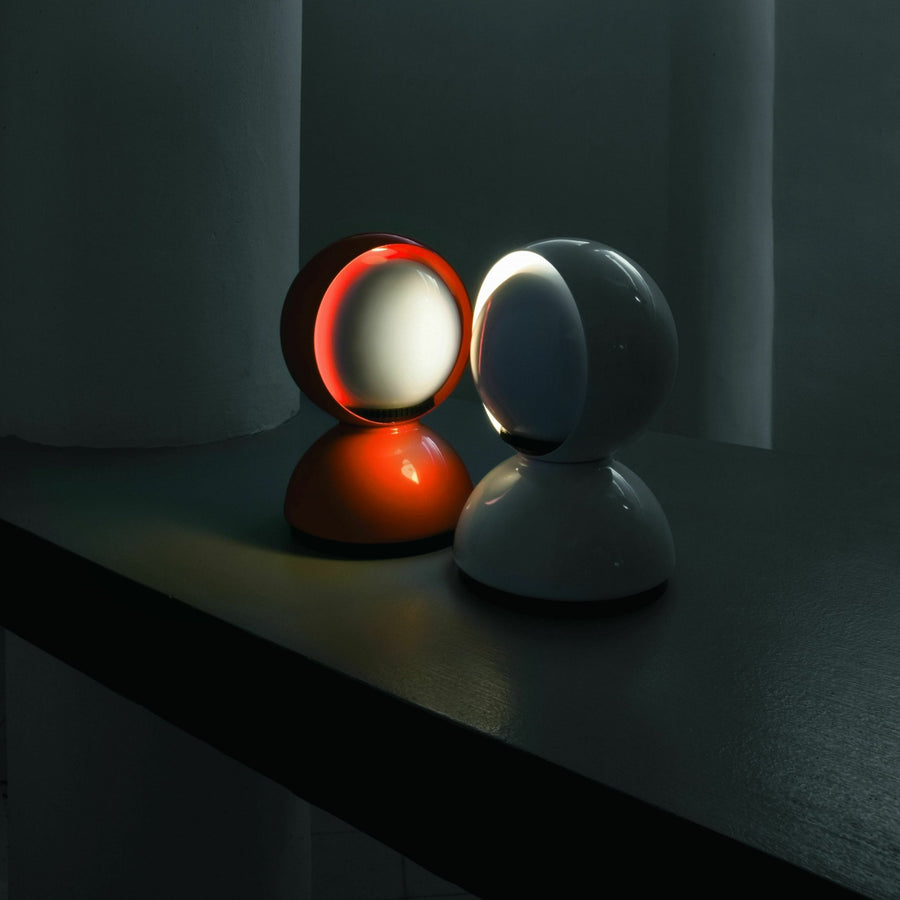

DESIGN DAYS


DESIGN DAYS
Up to -30%

DESIGN DAYS
Up to -30%

DESIGN DAYS


DESIGN DAYS
Up to -50%

DESIGN DAYS

DESIGN DAYS

DESIGN DAYS

DESIGN DAYS

DESIGN DAYS
Up to -50%

DESIGN DAYS
Up to -50%

DESIGN DAYS